
The Tarawera Ultra‑Trail by UTMB T102 is the kind of race that gets under your skin. Set around Rotorua, New Zealand, the 102 km course winds through native bush, geothermal steam fields, and forestry roads, passing lakes and weaving beneath the volcanic peaks of Tarawera, Ruawahia, and Wahanga. Since 2009, this event has grown into one of the world’s most respected ultra-trail races. In 2026, I experienced it firsthand.
Introduction to the Tarawera Ultra Experience
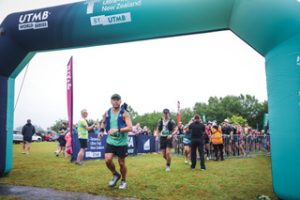
Running 102 km through the volcanic heart of New Zealand, across native bush, lakeshores, geothermal fields, and forestry roads, isn’t something you easily forget. On 14 February 2026, I lined up at the start in Kawerau, pushed through rain and deep mud, and crossed the finish line in just under 15 hours.
My Tarawera Ultra-Trail T102 Race Report is more than a personal story. It’s a reflection on what months of consistent preparation and the right physiotherapy support can deliver when race conditions turn tough. I was physically fine, thanks to my family at every aid station and the wonderful volunteers who make this event possible.
Here’s what the experience taught me and what it means for your running.
Pre-Race Preparation & Training Strategy
Arriving at an event of this scale without a structured plan is a risk no ultra-athlete should take. These two areas define whether your body holds up when it matters most.
Building Endurance for Ultra Distances
Consistent base-building over months, not weeks, develops the capacity for ultra distances. Tendons, joints, and your aerobic system all need gradual, progressive loads to handle 100+ km on your feet.
Consistency is the foundation on which your performance is built. Long-distance adaptation takes months, so rushing the process is how injuries start
Injury Prevention Before Race Day
Ultramarathon injury prevention starts well before the start line. Good physio support in the lead-up is non-negotiable. Mobility work, strength routines, and targeted recovery sessions keep the body durable under heavy load.
Race Day Challenges: Running in Tough Conditions
The 2026 T102 didn’t offer forgiving conditions. Days of rain leading up to the race left the trails heavy and slick, making what’s already been a gruelling event even more demanding.
Impact of Weather on Performance
Deep mud compounds fatigue quickly and raises the risk of ankle rolls and gait changes. Over 102 km, every extra demand on the body adds up.
This weather can also mean:
- Muddy terrain accelerates energy drain significantly
- Altered footing increases the risk of injury over such a long distance.
How to Adapt During the Race
Running in mud techniques like shortening your stride and keeping your weight forward make a real difference. Managing hydration, fuelling, and mental resilience are what separate those who reach the finish strongly from those who don’t. On a course such as T102, finishers who effectively manage all three factors reduce risk of failure due to fatigue.
The Role of Support Systems in Performance
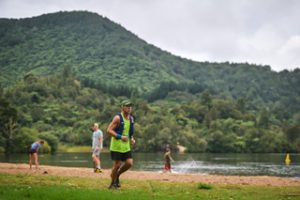
Having family at each aid station gave me a genuine lift throughout the race. Then there were volunteers who staffed every aid station, extraordinary in their energy, their energy feeding into the mental game as much as any gel or electrolyte.
For ultra-distance runners taking on these challenges in New Zealand, support at each aid station is a genuine performance asset.
Post-Race Recovery & Physiotherapy Importance
Crossing the finish line is one thing. What happens in the hours and days afterwards shapes how well your body bounces back. A strong recovery protocol starts the moment you stop moving.
Common Marathon Injuries & Physio Solutions
Ultramarathon distances place significant demands on the body. Knowing how athlete physiotherapy addresses post-race issues makes all the difference in how quickly you return to sport.
Immediate Recovery After an Ultramarathon
Muscle fatigue and soreness are expected after any road marathon or ultra-distance. Prioritise hydration, rest, and gentle movement in the first 48 hours.
How Physiotherapy Supports Recovery
A proper assessment identifies where risk factors are. Rehab and mobility restoration bring joints back to baseline, with targeted follow-up supporting long-term improvement.
| Injury Type | Cause | Physio Treatment |
| Runner’s knee | Overuse | Strength & mobility |
| Shin splints | Impact stress | Load management |
| Muscle fatigue | Endurance strain | Recovery therapy |
How Physiotherapy Helps Runners Perform Better
Consistent physio support helps in more than one way:
- Prevent injuries before they derail your preparation
- Improve biomechanics and movement efficiency
- Enhance endurance by addressing load imbalances early
- Access targeted sports injury prevention programmes for ultra-distance events
For Auckland-based athletes, sports physiotherapy in Glen Innes provides the targeted, sport-specific support that delivers results.
Working with a physiotherapist who understands what ultra-distance puts on the body is one of the smartest investments any active New Zealand athlete can make.
Final Thoughts
Tarawera is one of New Zealand’s greatest events, and the T102 is everything it’s billed as.
Despite the muddy conditions, finishing in under 15 hours confirmed my belief about the body’s response to preparedness. Whether you’re chasing a podium finish or a personal best, physio preparation doesn’t just help on race day. That’s what gets you there.
Start early, train smart, and treat recovery as part of the process.
Frequently Asked Questions
How do you recover after an ultramarathon?
- Prioritise sleep, nutrition, hydration, and gentle movement. Recovery begins the moment you finish. Rest is as important as any other part of the process.
Can physiotherapy prevent running injuries?
Yes. Regular assessments catch movement faults and load issues early, keeping you healthy for more races and events.
How do you train for a 100 km marathon?
Build your base gradually over months, incorporating strength, mobility work, and sport-specific long running sessions.
What are the most common ultramarathon injuries?
Runner’s knee, shin splints, IT band syndrome, and muscle fatigue. Early physio support significantly reduces risk.